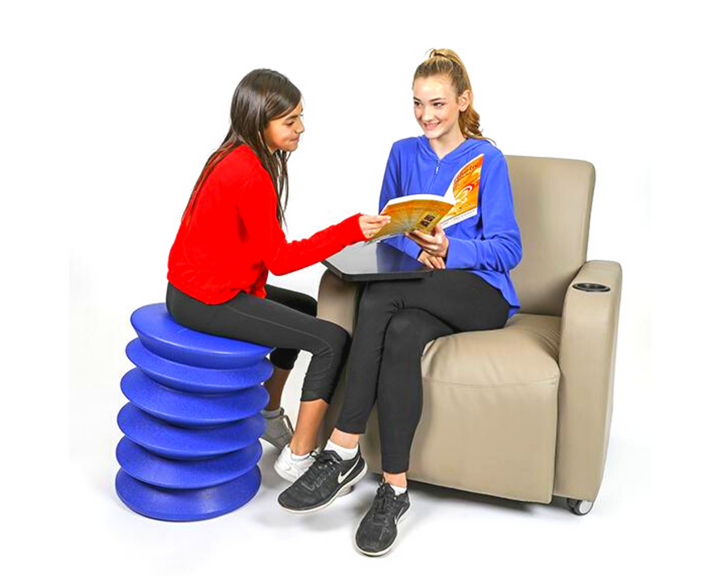
In modern education, the traditional classroom setup is evolving rapidly. Educators and administrators are increasingly recognizing the benefits of flexible and alternative seating arrangements. These innovative designs aim to enhance student engagement, improve focus, and cater to diverse learning needs. With a growing body of research supporting the positive impacts of alternative seating, it’s essential to understand how to implement these strategies effectively. By embracing adaptive seating solutions, classrooms can transform into dynamic learning environments that encourage movement, collaboration, and creativity.
Understanding the Need for Alternative Seating
The shift towards alternative seating is driven by several key factors. Traditional desks and chairs often fail to accommodate the unique needs of each student, potentially hindering their academic performance and well-being. Alternative seating options address these challenges by offering:
- Enhanced comfort and ergonomics, reducing physical strain.
- Increased movement opportunities, aiding concentration and reducing restlessness.
- Support for various learning styles and preferences, promoting inclusivity.
By understanding these needs, educators can create a more inclusive and supportive environment. Find out more about this approach and how it can be tailored to meet specific educational goals.
Implementing Alternative Seating in Classrooms
Choosing the Right Options
Selecting the appropriate alternative seating options is crucial for success. Consider the following factors when making decisions:
- Classroom size and layout.
- Age and developmental stage of students.
- Specific learning objectives and activities.
A variety of seating choices such as standing desks, wobble stools, bean bags, and yoga balls can be incorporated to suit different needs. Explore advanced guides and tips on selecting and integrating these alternatives effectively.
Creating a Flexible and Engaging Space
Once the seating options have been selected, it’s important to design a classroom layout that maximizes their benefits. Here are some strategies to consider:
- Arrange seating to encourage collaboration and communication among students.
- Provide different zones for various activities, such as reading, group work, and independent study.
- Ensure that the layout allows for easy movement and adaptability.
A well-planned layout not only enhances the learning experience but also contributes to a positive classroom atmosphere. Discover expert strategies here on designing a flexible classroom setup.
Benefits of a Dynamic Classroom Environment
The advantages of implementing alternative seating extend beyond immediate comfort and engagement. Research indicates that such environments can lead to:
- Improved academic performance due to increased focus and motivation.
- Reduced behavioral issues as students have outlets for physical activity.
- Enhanced social skills through collaborative seating arrangements.
By fostering a dynamic classroom environment, educators can significantly impact students’ educational journeys. Learn about our tailored solutions to further explore the potential of alternative seating.
Conclusion
Embracing alternative seating is an innovative step towards creating a more dynamic and inclusive learning environment. By understanding the diverse needs of students and thoughtfully implementing flexible seating strategies, educators can enhance both the educational experience and outcomes. As the educational landscape continues to evolve, staying informed and adaptable is key. Discover expert strategies here for more insights into creating dynamic learning spaces.