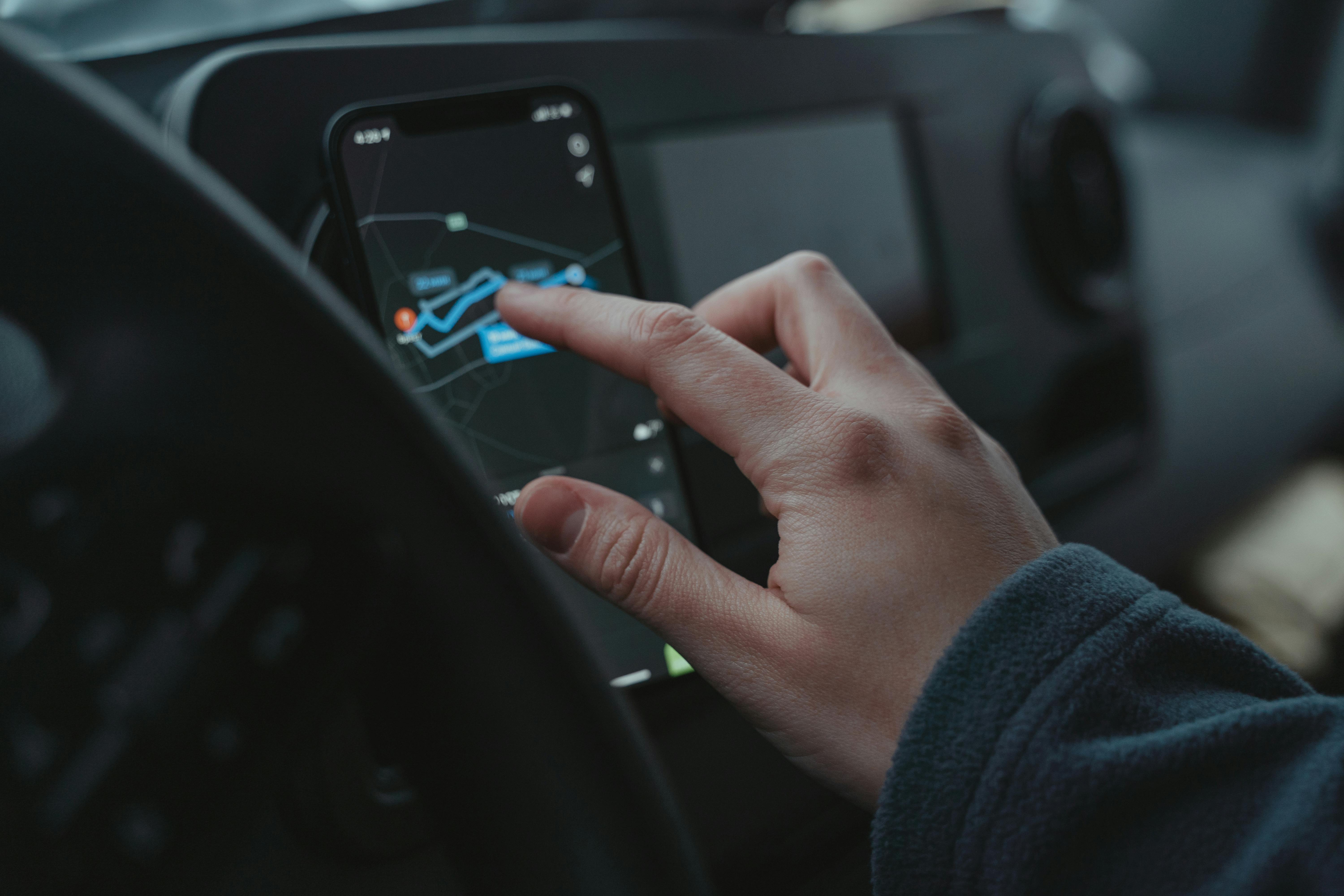
In today’s fast-paced business environment, efficiency and accuracy are paramount. One area where businesses can significantly enhance their operational efficiency is through automatic mileage tracking. This technology not only streamlines the process of recording business travel but also helps in reducing errors associated with manual tracking methods. By leveraging automatic mileage tracking, businesses can ensure compliance, save time, and improve financial reporting.
Understanding Automatic Mileage Tracking
Automatic mileage tracking involves using advanced software and GPS technology to monitor and log vehicle mileage for business purposes. This method eliminates the need for manual entry, reducing the risk of human error and providing a reliable source of data.
Key Benefits
- Time-Saving Efficiency: One of the primary advantages is the significant reduction in time spent on tracking and recording mileage. Automation allows employees to focus on core business activities rather than administrative tasks.
- Accurate Record-Keeping: Automatic tracking ensures precise mileage logging, which is crucial for accurate financial reporting and tax filings.
- Cost Reduction: By minimizing errors and ensuring correct reimbursements, businesses can save money on unnecessary expenses.
- Enhanced Compliance: Keeping accurate records is essential for compliance with tax regulations. Automatic systems help maintain an audit-ready trail of all business travel.
For more on how automatic mileage tracking can benefit your business, read more about this topic.
How to Implement Automatic Mileage Tracking
Implementing automatic mileage tracking requires a strategic approach to ensure a smooth transition and maximize its benefits.
Steps for Implementation
- Evaluate Needs: Assess the specific needs of the business and the number of vehicles involved. This will help in selecting the right tracking solution.
- Select the Right Technology: Choose a system that integrates well with existing business processes. It should offer features such as real-time tracking, easy reporting, and user-friendly interfaces. Learn more in this detailed guide.
- Train Employees: Provide training on how to use the new system effectively. This ensures all users are comfortable and can maximize the system’s potential.
- Monitor and Adjust: Regularly review the system’s performance and make necessary adjustments to improve efficiency and accuracy.
To understand more about effective implementation strategies, explore further insights here.
Challenges and Solutions
While automatic mileage tracking offers numerous benefits, businesses may encounter certain challenges during implementation.
Common Challenges
- Data Privacy Concerns: Employees might be concerned about privacy with real-time GPS tracking.
- Initial Setup Costs: The cost of setting up a new system might be a deterrent for some businesses.
- User Resistance: Some employees may resist the change due to unfamiliarity with new technology.
Solutions
- Transparent Communication: Address privacy concerns by clearly communicating how data will be used and protected.
- Cost-Benefit Analysis: Highlight long-term savings and efficiency gains to justify initial expenses.
- Comprehensive Training Programs: Implement training sessions to ease the transition and encourage adoption.
For solutions to common challenges and more, find additional information here.
In conclusion, automatic mileage tracking is an invaluable tool for modern businesses aiming to streamline operations and enhance accuracy. By adopting the right technology and addressing potential challenges proactively, organizations can enjoy the full benefits of this innovative solution.