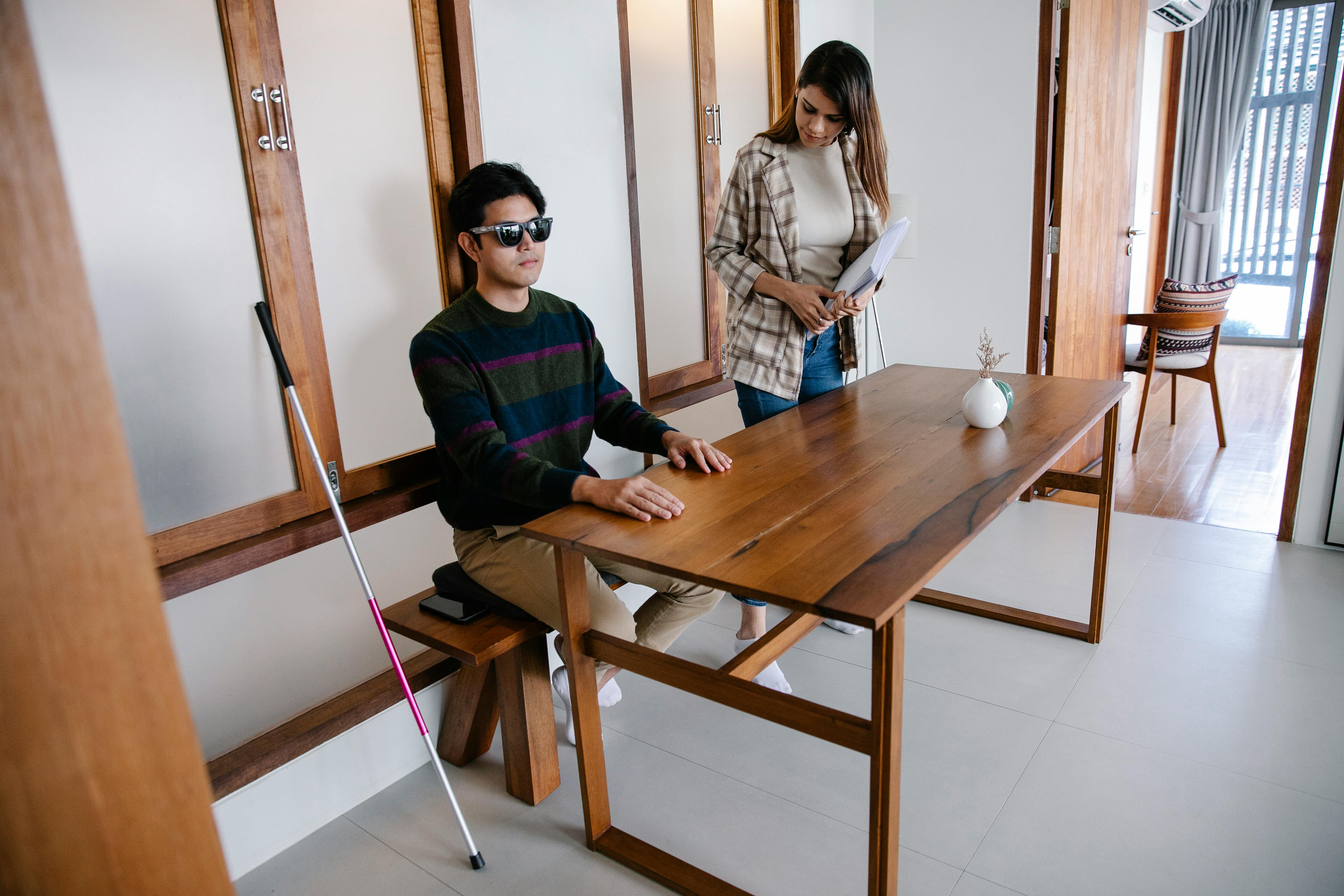
The National Disability Insurance Scheme (NDIS) is a transformative approach that empowers individuals with disabilities to lead more independent lives. A crucial component of this initiative is the focus on Activities of Daily Living (ADL), which includes essential day-to-day tasks that enable individuals to live independently. Understanding and implementing effective strategies in ADL can significantly enhance the quality of life for participants. This article delves into the intricacies of NDIS Activities of Daily Living, offering insights into how they contribute to fostering independence and overall well-being.
Understanding Activities of Daily Living
Activities of Daily Living encompass a wide range of tasks that are fundamental to personal care and routine. These activities are categorized into basic and instrumental tasks. Basic ADLs include:
- Personal hygiene and grooming
- Dressing and undressing
- Feeding oneself
- Mobility and transferring (e.g., moving from bed to chair)
- Continence management
Instrumental Activities of Daily Living (IADLs) go a step further and involve more complex tasks such as:
- Managing finances
- Handling transportation (driving or navigating public transit)
- Shopping and meal preparation
- Housekeeping and home maintenance
- Using communication devices
The Role of NDIS in Supporting ADLs
The NDIS provides a structured framework for participants to receive support tailored to their individual needs. This not only includes direct assistance with ADLs but also education and training to enhance skills and self-reliance. Through personalized plans, NDIS participants can access a variety of services that address both basic and instrumental ADLs, promoting a higher degree of independence. Discover expert strategies here for supporting daily living activities under NDIS.
Personalized Plans and Support
NDIS plans are designed to be flexible, adapting to the unique requirements of each participant. This personalized approach ensures that individuals receive the right level of support, whether it’s through direct assistance or assistive technologies. Participants can work with professionals to identify the specific ADLs they need help with and develop strategies to manage these tasks more effectively.
For instance, assistive technologies such as mobility aids, communication devices, and adaptive equipment can be integrated into daily routines to enhance independence. Learn about our tailored solutions to improve ADLs through the use of technology and personalized care plans.
Enhancing Independence Through Skill Development
A critical aspect of the NDIS is its focus on skill development, which empowers individuals to perform ADLs with greater autonomy. Training programs and workshops are available to teach essential skills, ranging from personal care techniques to advanced IADLs like financial management.
Participants are encouraged to engage in skill-building activities that align with their goals. These activities are designed to enhance confidence and competence in managing daily tasks independently. Explore advanced guides and tips for developing essential daily living skills under the NDIS framework.
Community and Professional Support
The NDIS also emphasizes the importance of community involvement and professional support networks. Engaging with local communities and accessing professional services can provide additional layers of support, fostering a sense of belonging and community integration. Support networks may include caregivers, therapists, and support workers who collaborate with participants to achieve their personal goals.
Community-based programs offer opportunities for social interaction and skill development, which play a significant role in enhancing independence. Find out more about this approach and how community involvement can support ADLs under the NDIS.
Conclusion
Enhancing independence through NDIS Activities of Daily Living requires a comprehensive and person-centered approach. By understanding the nuances of ADLs and leveraging the resources available through the NDIS, participants can achieve greater autonomy and improve their quality of life. The combination of personalized plans, skill development, and community support ensures that individuals with disabilities can live more independently and participate fully in their communities. For more information on tailored support services and expert guidance, visit the NDIS resource page to explore the full range of options available.