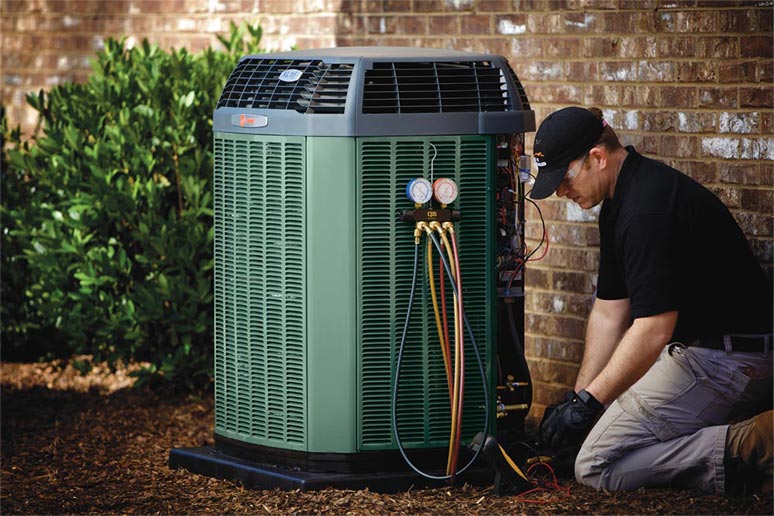
When the summer heat intensifies in Kennesaw, GA, a reliable air conditioning system becomes essential for comfort and productivity. However, even the most robust units can experience wear, reduced efficiency, or unexpected breakdowns. Understanding the fundamentals of air conditioning repair, recognizing early warning signs, and knowing the steps to take can help homeowners and property managers keep indoor environments pleasant while avoiding costly emergency services.
Common Signs That an Air Conditioner Needs Repair
Identifying problems early can prevent a minor inconvenience from turning into a major outage. Typical indicators include:
- Reduced airflow from vents despite the fan being on.
- Unusual noises such as rattling, grinding, or squealing.
- Foul odors emanating from the system.
- Inconsistent temperature across rooms.
- Higher than normal utility bills without a change in usage patterns.
- Frequent cycling on and off (short cycling).
When any of these symptoms appear, it is advisable to schedule a professional inspection to pinpoint the root cause.
Key Components of an Air Conditioning System
A modern central air conditioner consists of several interdependent parts. Understanding their function aids in communicating issues to a technician and assessing repair recommendations.
Compressor
The compressor pressurizes refrigerant, allowing heat exchange to occur. A malfunctioning compressor often results in insufficient cooling.
Condenser Coil
Located outdoors, the condenser releases absorbed heat. Dirt or debris buildup can impede heat dissipation, causing the system to overheat.
Evaporator Coil
Inside the home, the evaporator coil absorbs indoor heat. Leaks or frozen coils are common sources of reduced performance.
Thermostat
The thermostat regulates temperature settings. Calibration errors or outdated units may lead to inaccurate temperature control.
Steps to Take Before Calling a Technician
Performing basic troubleshooting can sometimes resolve simple issues and provide useful information for the repair professional.
- Check the thermostat settings: Ensure it is set to “cool” mode and the temperature is lower than the current room temperature.
- Inspect the air filter: A clogged filter restricts airflow; replace it if it appears dirty.
- Clear the outdoor unit: Remove leaves, twigs, and debris that may block airflow around the condenser.
- Reset the circuit breaker: A tripped breaker can cut power to the system; resetting it may restore operation.
- Verify the condensate drain: A clogged drain can cause water backup and trigger safety shut-offs.
If these actions do not restore normal operation, professional diagnosis is the next logical step.
What to Expect During a Professional Repair Visit
A qualified HVAC technician will follow a systematic approach to diagnose and fix the problem. Typical procedures include:
- Visual inspection of all components for wear, corrosion, or damage.
- Testing refrigerant pressure levels with calibrated gauges.
- Electrical checks using multimeters to verify proper voltage and continuity.
- Assessment of airflow using calibrated airflow meters.
- Recommendation of repair or replacement options based on findings.
Transparent communication about the issue, estimated costs, and expected timelines helps homeowners make informed decisions.
Choosing the Right Repair Service in Kennesaw, GA
Selecting a reputable service provider ensures quality workmanship and compliance with local codes. Important criteria to consider include:
- Licensing and certification specific to Georgia HVAC standards.
- Experience with the make and model of the existing system.
- Availability of emergency or after-hours service.
- Clear warranty terms for parts and labor.
- Positive reputation reflected in independent reviews and industry affiliations.
For a detailed overview of service expectations in the Kennesaw area, Read more about this topic.
Preventive Maintenance Practices
Regular maintenance is the most effective strategy to extend the lifespan of an air conditioning system and maintain peak efficiency.
- Seasonal inspections: Schedule a professional check-up before the cooling season begins.
- Filter replacement: Change or clean filters every 30-90 days, depending on usage.
- Coil cleaning: Keep both evaporator and condenser coils free of dust and debris.
- Seal and insulation checks: Ensure ductwork is sealed and insulated to prevent loss of cooled air.
- System performance testing: Verify that the unit reaches the desired temperature within a reasonable time frame.
Implementing these practices reduces the likelihood of unexpected breakdowns and can lower energy consumption. For additional guidance on maintaining comfort systems, Explore further insights here.
Energy Efficiency and Cost Savings
Beyond comfort, an efficiently operating air conditioner contributes to lower utility bills and reduced environmental impact. Consider the following measures:
- Upgrade to a programmable thermostat to better control temperature settings.
- Seal windows and doors to minimize heat gain.
- Use ceiling fans in conjunction with the AC to circulate cool air.
- Ensure proper insulation in attics and walls.
- Evaluate the SEER (Seasonal Energy Efficiency Ratio) rating when planning a replacement; higher SEER units consume less energy.
Understanding how each factor influences overall performance helps homeowners make cost-effective decisions. To learn more about optimizing system efficiency, Learn more in this detailed guide.
Conclusion
Reliable air conditioning repair in Kennesaw, GA hinges on early detection of issues, informed selection of service professionals, and adherence to preventive maintenance schedules. By recognizing warning signs, performing simple troubleshooting, and partnering with qualified technicians, residents can safeguard their indoor comfort while managing expenses. Consistent upkeep and strategic upgrades further enhance system efficiency, ensuring a cool, comfortable environment throughout the hot months.