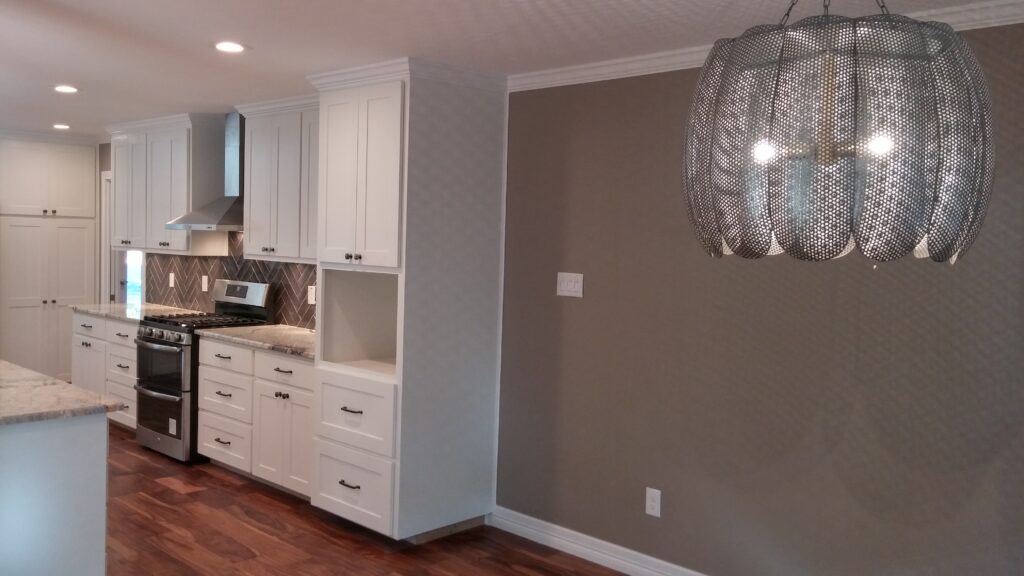
Interior design is more than just arranging furniture or choosing paint colors. It’s an art form that combines aesthetics, functionality, and personal expression to create spaces that reflect the unique taste and lifestyle of the inhabitants. For those looking to elevate their living or working environments, leveraging expert interior design solutions offers a pathway to achieving a harmonious and stylish space. By understanding the principles of design and integrating them with personal preferences, one can create an environment that is both beautiful and functional.
Understanding Interior Design Principles
The foundation of effective interior design lies in understanding and applying key design principles. These principles guide the creation of cohesive and visually appealing spaces.
Balance and Harmony
Balance in design refers to the visual equilibrium achieved by distributing elements evenly throughout a space. This can be symmetrical, asymmetrical, or radial. Harmony, on the other hand, involves blending different elements, such as color, texture, and shapes, to create a seamless look. Explore further insights here about achieving balance and harmony in design.
Proportion and Scale
Proportion and scale are crucial to ensuring that all elements in a room are in harmony with each other. This involves choosing furniture, decor, and architectural features that are proportionate to the size of the room. Learn more in this detailed guide about maintaining proportion and scale in interior design.
Incorporating Personal Style
While design principles are essential, personal style is what transforms a space into a reflection of individual taste and personality. Here are some ways to incorporate personal style into interior design:
- Select a color palette that resonates with personal preferences.
- Incorporate meaningful art and decor that reflect personal interests.
- Choose furniture that aligns with comfort and aesthetic preferences.
- Include textiles and materials that add texture and warmth.
For more personalized design tips, read more about this topic.
Maximizing Space and Functionality
Effective interior design also focuses on maximizing space and ensuring that a room serves its intended purpose without compromising on style.
Space Planning
Space planning involves arranging furniture and decor in a way that optimizes the flow and function of a room. This can involve creating distinct zones for different activities, such as relaxation, work, and dining.
Multi-functional Furniture
Incorporating multi-functional furniture allows for more efficient use of space. Examples include sofa beds, extendable dining tables, and storage ottomans. Find additional information here about maximizing functionality with innovative furniture solutions.
Lighting and Ambiance
Lighting plays a critical role in setting the ambiance of a space. It can enhance the mood, highlight architectural features, and create a welcoming environment.
- Utilize a mix of ambient, task, and accent lighting to create layers of illumination.
- Incorporate natural light sources to enhance the sense of space and openness.
- Choose light fixtures that complement the overall design theme.
For more insights on using lighting to enhance ambiance, explore further insights here.
Conclusion
Elevating your style with expert interior design solutions involves a thoughtful combination of design principles, personal style, and functional space planning. By understanding the core elements of design and incorporating them into personal spaces, one can create environments that are not only visually stunning but also functional and reflective of individual tastes. Read more about this topic to continue your journey towards transforming your spaces with expert interior design solutions.