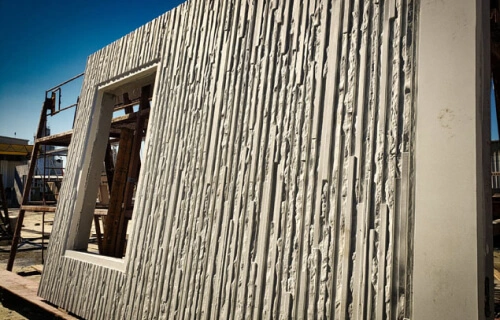
In the ever-evolving field of construction and architectural design, achieving seamless and aesthetically pleasing concrete surfaces is a critical goal. Urethane formliners have emerged as a leading solution, offering architects and builders the ability to create intricate designs and patterns on concrete surfaces with both efficiency and precision. These formliners not only contribute to the visual impact of a project but also play a significant role in the structural integrity and durability of the finished product.
Understanding Urethane Formliners
Urethane formliners are a type of mold that is used to impart textures and patterns onto concrete surfaces. These formliners are crafted from high-quality urethane, known for its flexibility and resilience. This material choice ensures that the formliners can withstand the pressures of concrete pouring and setting, while also maintaining their intricate detailing.
Key Benefits of Urethane Formliners
- Durability: Urethane formliners are highly durable, capable of being reused multiple times without losing their shape or detail.
- Precision: The flexibility of urethane allows for precise replication of complex designs, ensuring high-quality finishes.
- Versatility: Suitable for a wide range of applications, from bridges and highways to residential and commercial buildings.
- Cost-Effective: Their reusability and the reduction in labor costs make urethane formliners a cost-effective solution.
- Sustainability: By enhancing the aesthetic appeal of concrete, they reduce the need for additional surface treatments, contributing to sustainable construction practices.
For more detailed information on the benefits and applications, visit the urethane formliners page.
Applications in Modern Construction
The use of urethane formliners is prevalent in various sectors of the construction industry. Their ability to mimic natural materials and create complex patterns makes them an invaluable tool for architects aiming to enhance the visual appeal of concrete structures. Common applications include:
- Infrastructure Projects: Used in bridges, tunnels, and highways to create an attractive yet durable finish.
- Commercial Buildings: Enhance the exterior and interior surfaces with unique textures and patterns.
- Public Spaces: Create visually engaging surfaces in parks, plazas, and other community areas.
- Residential Projects: Offer homeowners unique architectural features that complement modern design trends.
Installation and Maintenance
Installing urethane formliners requires attention to detail and precision. Proper alignment and secure fastening are crucial to ensure the desired effect is achieved upon concrete pouring. However, the process is generally straightforward, and the flexibility of urethane aids in accommodating various shapes and sizes.
Maintenance Tips
- Clean formliners promptly after each use to prevent concrete buildup.
- Store in a cool, dry place to maintain their flexibility and prevent warping.
- Inspect regularly for any signs of wear or damage, ensuring they are in optimal condition for reuse.
Innovative Design Possibilities
The versatility of urethane formliners opens up a world of design possibilities. Architects and designers can experiment with textures that range from wood grains and stone patterns to custom logos and artistic motifs. This creative freedom allows for the personalization of projects, aligning with specific client visions and enhancing the overall impact of the built environment.
In conclusion, urethane formliners have revolutionized the approach to concrete design in construction, offering a blend of durability, versatility, and aesthetic appeal. As the demand for innovative and sustainable construction practices grows, these formliners will continue to play a pivotal role in shaping the future of architectural design.