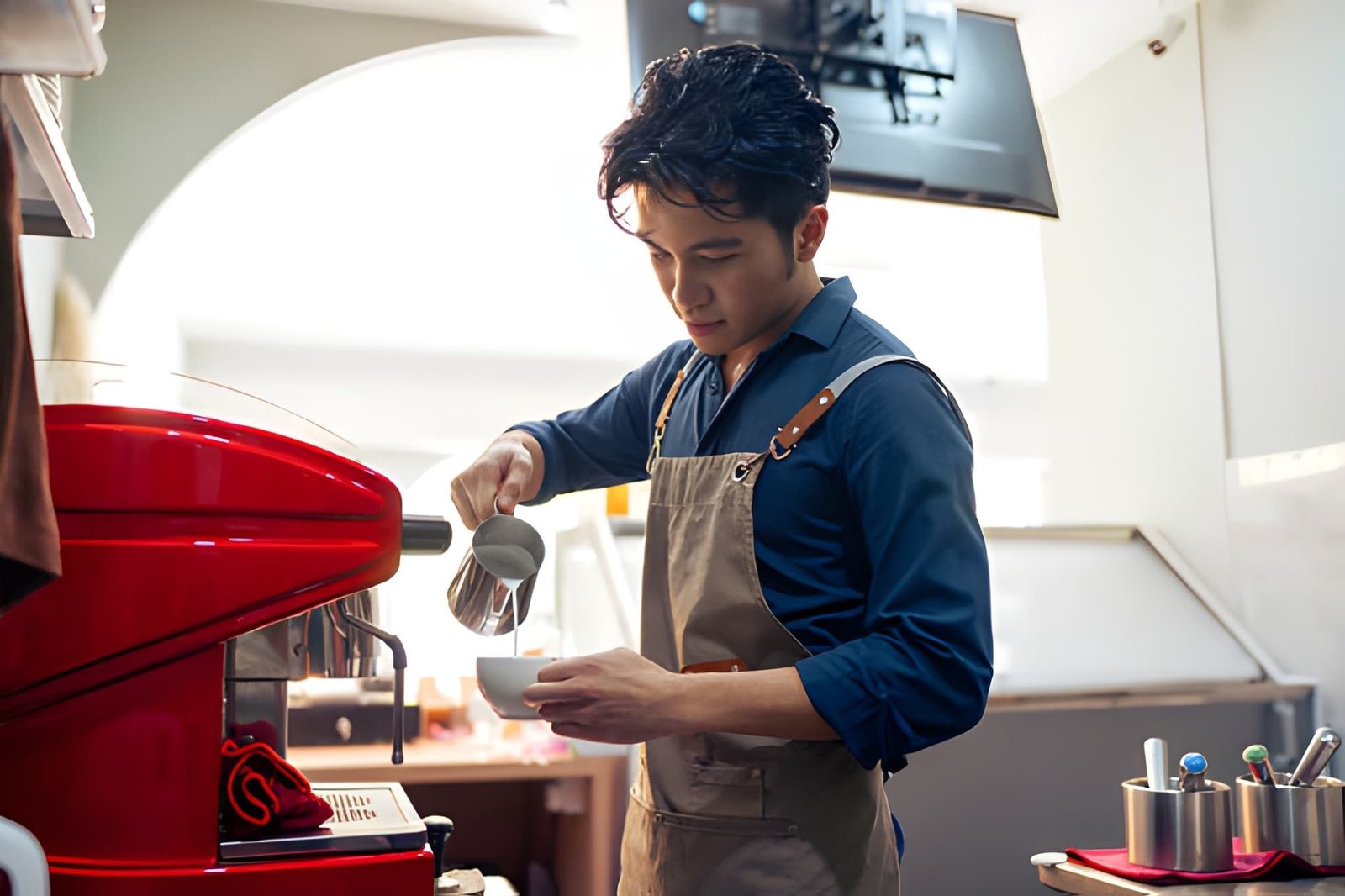
Finding the right person to manage coffee service in an office environment is more than a simple hiring task; it is an investment in employee wellbeing, productivity, and corporate culture. A well-trained office barista can turn a routine coffee break into a moment of connection, morale-boosting energy, and even brand storytelling. This guide consolidates the essential criteria recommended by a seasoned coffee barista in Singapore, offering a clear roadmap for HR professionals and office managers who want to hire a barista that aligns with both operational needs and the subtle art of coffee craft.
Understanding the Role of an Office Barista
Unlike a traditional caf?? setting, an office barista works within a corporate ecosystem. The responsibilities extend beyond pulling espresso shots; they include equipment maintenance, inventory control, and creating a welcoming atmosphere that reflects the company’s values.
- Prepare a variety of coffee drinks to a consistent standard.
- Manage coffee machine cleaning, descaling, and routine servicing.
- Track coffee bean, milk, and consumable stock levels, placing orders proactively.
- Engage with employees, gathering feedback to tailor the coffee menu.
- Uphold health and safety standards, especially in shared kitchen spaces.
Key Selection Criteria
1. Technical Coffee Skills
Fundamental barista competencies are non-negotiable. Candidates should demonstrate:
- Proficiency with espresso machines, grinders, and brewing equipment.
- Knowledge of coffee origins, roast profiles, and flavor notes.
- Ability to calibrate grind size, dose, and extraction time for consistency.
- Experience with milk texturing techniques for latte art and specialty drinks.
When evaluating these skills, a practical test, such as preparing a classic espresso and a latte, provides immediate insight into the candidate’s technique and attention to detail.
2. Customer Service Orientation
Even in a workplace, the barista serves as a point of personal interaction. Look for:
- Friendly, approachable demeanor that encourages casual conversation.
- Active listening skills to understand employee preferences.
- Ability to handle high-traffic periods without compromising quality.
3. Reliability and Time Management
Office schedules are tight; a barista must be punctual and efficient. Assess:
- Track record of consistent attendance.
- Capability to set up and break down stations within allocated windows.
- Experience managing multiple orders simultaneously.
4. Adaptability to Corporate Culture
Every organization has its own rhythm and expectations. Ideal candidates should:
- Demonstrate flexibility in adjusting drink menus to suit diverse tastes.
- Show willingness to align with sustainability initiatives, such as using reusable cups.
- Fit comfortably within the office’s communication style, whether formal or relaxed.
5. Basic Business Acumen
While not a full-time accountant, a barista who understands cost control contributes to budget efficiency. Look for:
- Experience tracking waste and minimizing over-pouring.
- Familiarity with simple inventory spreadsheets or POS systems.
- Proactive approach to suggesting cost-effective suppliers.
Interview Techniques Tailored for Barista Candidates
Standard interview questions can be enhanced with coffee-specific scenarios. Below are sample prompts that reveal both skill and mindset.
- Technical Demo: “Please brew an espresso and explain the variables you adjusted.”
- Service Scenario: “A colleague complains the coffee is too bitter. How would you respond?”
- Problem-Solving: “The grinder stops mid-shift. What steps do you take to keep service running?”
- Culture Fit: “How would you incorporate the company’s sustainability goals into daily operations?”
Onboarding and Ongoing Development
Once hired, a structured onboarding plan ensures the barista integrates smoothly and maintains high standards.
Initial Training Phase (First 2 Weeks)
- Introduce the specific espresso machine model and any proprietary brewing methods.
- Review the office’s coffee menu, including any seasonal or health-focused options.
- Conduct shadowing sessions with an experienced barista or trainer.
Continuous Skill Enhancement
Encourage participation in local workshops or online courses. Singapore’s vibrant coffee community offers regular office barista events that provide networking and skill-building opportunities.
Performance Metrics
- Consistency of drink quality measured through periodic taste tests.
- Employee satisfaction scores gathered via short surveys.
- Inventory accuracy and waste reduction percentages.
Legal and Compliance Considerations
Hiring an office barista involves standard employment regulations, but there are a few industry-specific aspects to keep in mind.
- Ensure the candidate holds any required food handling certifications.
- Confirm that the coffee equipment complies with local safety standards.
- Include clauses on confidentiality if the barista will handle proprietary office information.
Cost-Benefit Overview
Investing in a dedicated barista can yield measurable returns.
- Productivity Boost: Employees report higher focus levels when they have convenient, quality coffee.
- Retention Impact: A well-run coffee service is frequently cited in employee satisfaction surveys.
- Brand Perception: An expertly crafted coffee experience reinforces a modern, employee-centric brand image, especially when highlighted in external communications.
For organizations seeking a partner to supply equipment, beans, or training, exploring reputable providers of coffee barista singapore services can streamline the setup process and ensure long-term success.
Final Checklist for Hiring
- Verify technical competence through a hands-on test.
- Assess customer service aptitude with scenario-based questions.
- Confirm alignment with corporate culture and sustainability goals.
- Establish a clear onboarding timeline and performance metrics.
- Complete all legal documentation, including food safety certifications.
By following these criteria, HR teams and office managers can secure a barista who not only serves excellent coffee but also enhances workplace culture, supports employee wellbeing, and reflects the professionalism that modern offices strive to embody.