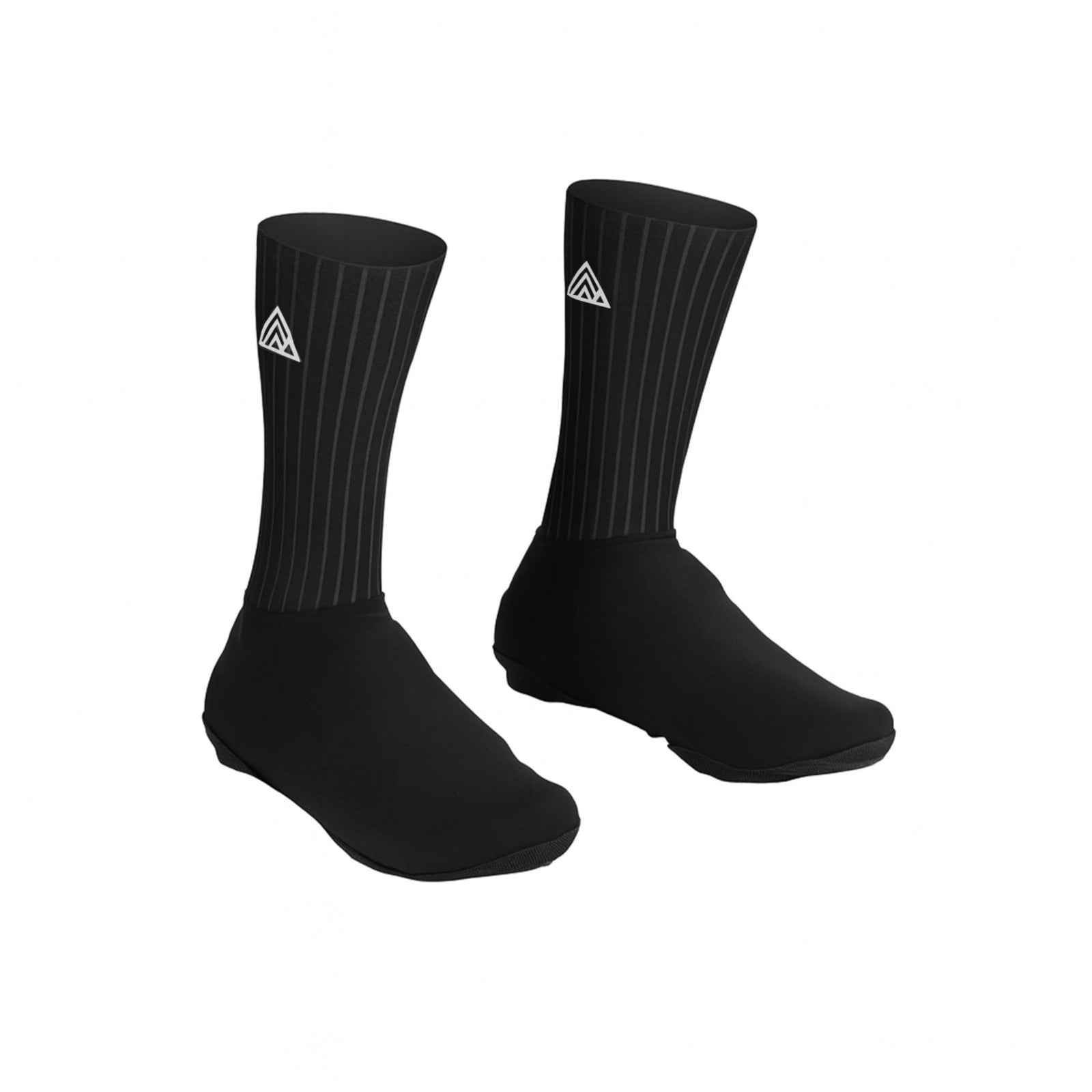
Aero overshoes have become a pivotal component in modern cycling kits, delivering measurable performance gains while protecting the rider’s feet from the elements. Whether tackling a fast-paced group ride, a time-trial, or a long-haul endurance event, the right overshoe can shave seconds off a split and keep comfort levels high from start to finish. This article explores the aerodynamic, thermal, and ergonomic advantages of cycling aero overshoes and explains how they translate into real-world speed and comfort on every ride.
Understanding Aerodynamics: Why Shape Matters
The primary function of an aero overshoe is to smooth airflow around the foot and shoe, reducing drag that otherwise slows a cyclist. Even a modest reduction in drag coefficient can produce noticeable time savings, especially at speeds above 25″?km/h (15″?mph). The design elements that contribute to this effect include:
- Seam-less construction that eliminates turbulence-causing gaps.
- Low-profile rubber compounds that hug the shoe’s shape without bulging.
- Integrated heel pockets that guide air smoothly around the rear of the foot.
Quantifying the Speed Gain
Studies conducted with wind-tunnel testing indicate that a well-designed aero overshoe can cut drag by 2-4″?%. On a flat 40″?km/h (25″?mph) ride, this translates to a speed increase of roughly 0.8-1.2″?km/h (0.5-0.75″?mph) without any additional effort. For competitive cyclists, those margins can be decisive.
Thermal Management and Comfort
Beyond aerodynamics, overshoes serve as a barrier against wind chill, rain, and temperature fluctuations. Modern fabrics combine waterproof membranes with breathable micro-pores, allowing sweat to escape while keeping external moisture out. Benefits include:
- Consistent foot temperature, preventing cold-induced stiffness.
- Reduced risk of blisters caused by moisture buildup.
- Enhanced proprioception, as the foot remains snug yet flexible.
Material Innovations
Advanced composites such as TPU-coated nylon and elastomeric neoprene provide a balance of stretch and rigidity. These materials conform to the shoe’s contours, ensuring a secure fit without restricting pedal stroke. For riders seeking a blend of performance and durability, exploring the latest product lines can be insightful. Discover expert strategies here.
Fit, Compatibility, and Installation
An aero overshoe only delivers its promised benefits when it fits correctly. Key considerations when selecting a pair include:
- Compatibility with the shoe’s outsole (e.g., carbon, leather, or synthetic).
- Adjustable Velcro or BOA straps for a personalized tension.
- Length of the overshoe relative to the shoe’s toe box to avoid interference with cleat placement.
Installation is straightforward: slide the overshoe over the shoe, align the heel pocket, and secure the closure system. A quick visual check ensures that the overshoe does not shift during pedaling, which could otherwise cause drag spikes.
Maintenance and Longevity
Proper care extends the functional life of aero overshoes. Recommendations include:
- Rinse with mild soap after exposure to mud or salt.
- Air-dry away from direct heat sources to prevent material degradation.
- Inspect the closure system regularly for wear and replace if needed.
For detailed maintenance guides and product-specific tips, cyclists can learn about our tailored solutions that address common concerns.
Choosing the Right Overshoe for Your Riding Style
Different riding disciplines prioritize distinct attributes:
- Road racing: Maximum aerodynamic profile with minimal weight.
- Time trialling: Tight integration with aero helmets and skinsuits.
- Gravel and adventure: Enhanced waterproofing and durability.
- Urban commuting: Easy on/off design and robust abrasion resistance.
By matching the overshoe’s feature set to the intended use, cyclists can extract the greatest performance benefit. For a deeper dive into selection criteria, explore advanced guides and tips.
Real-World Impact: Case Studies
Several riders have reported measurable improvements after incorporating aero overshoes:
- A 28-year-old time-trialist reduced his average split by 2″?seconds per kilometer during a 40″?km effort.
- A club rider experienced fewer cold-related foot cramps on a 120″?km spring ride.
- A commuter noted a 15″?% reduction in perceived effort during rainy mornings.
These anecdotes underscore the practical value of the technology beyond laboratory figures. For more examples and user experiences, find out more about this approach.
Conclusion
Cycling aero overshoes are a nuanced yet highly effective tool for boosting speed and maintaining comfort across diverse riding conditions. By reducing drag, regulating temperature, and offering a secure fit, they empower cyclists to push boundaries without sacrificing foot health. Integrating the right overshoe into a kit, supported by proper fit and maintenance, yields tangible performance gains that resonate from casual rides to elite competition.