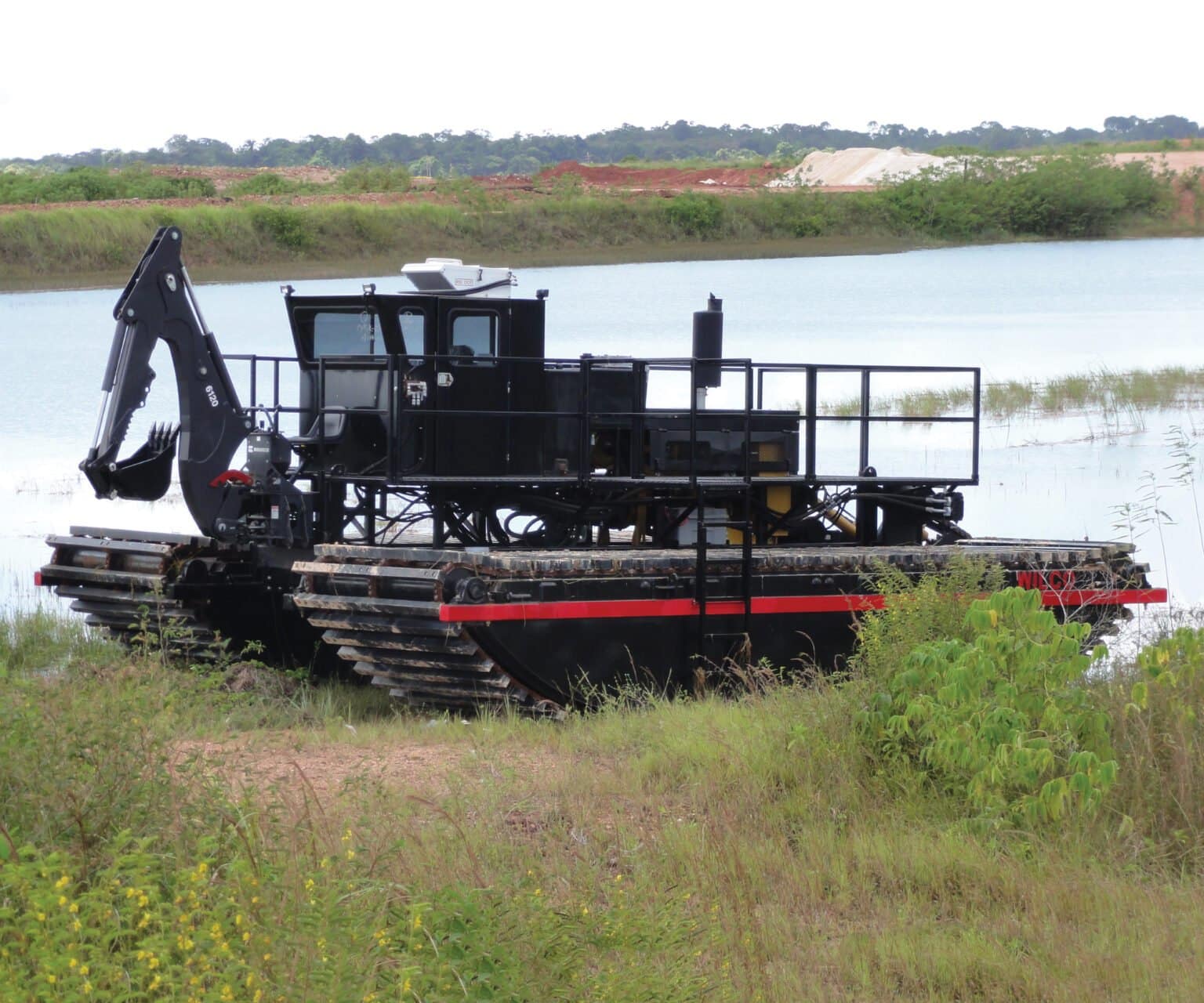
Designing amphibious equipment for heavy-duty applications demands a blend of marine engineering, rugged durability, and precision control. These machines must operate reliably in both water and harsh terrestrial environments while delivering the power and stability required for tasks such as offshore construction, flood-relief operations, and military logistics. The following guide explores the critical considerations, material choices, and engineering practices that enable the creation of robust amphibious solutions capable of withstanding extreme conditions.
Key Design Principles for Heavy-Duty Amphibious Equipment
1. Structural Integrity and Load Management
- Use high-strength steel alloys or marine-grade aluminum to balance weight and durability.
- Incorporate finite-element analysis (FEA) early to identify stress concentrations under combined water and ground loads.
- Design modular frames that allow quick replacement of damaged sections in the field.
2. Hydrodynamic and Aerodynamic Efficiency
- Shape hulls to minimize drag while maintaining stability in choppy waters.
- Integrate adjustable trim tabs or ballast systems for fine-tuning buoyancy.
- Apply computational fluid dynamics (CFD) simulations to optimize airflow over land-travel components.
3. Powertrain Compatibility
- Select engines that can transition seamlessly between marine and terrestrial power modes.
- Employ sealed electric drives for reduced maintenance and enhanced torque control.
- Include redundancy in critical power pathways to prevent total loss of propulsion.
Material Selection for Extreme Environments
Materials must resist corrosion from saltwater, abrasion from rough terrain, and temperature fluctuations. Advanced coatings such as epoxy-based marine paints and ceramic-reinforced composites extend service life. For sealing mechanisms, fluoropolymer gaskets provide excellent chemical resistance and maintain flexibility over a wide temperature range.
Control Systems and Automation
Modern amphibious platforms benefit from integrated control architectures that unify navigation, stability, and payload management. Key features include:
- GPS/INS fusion for precise positioning in both water and land.
- Real-time sensor arrays monitoring hull pressure, wheel traction, and engine health.
- Adaptive algorithms that automatically adjust suspension stiffness and propulsion output based on terrain feedback.
For a deeper dive into system integration techniques, Discover expert strategies here.
Testing and Validation Procedures
Rigorous testing validates that the equipment meets performance specifications across all operating conditions:
- Water trials: Conduct buoyancy, maneuverability, and thrust tests in controlled marine environments.
- Land trials: Evaluate traction, obstacle negotiation, and load distribution on varied substrates.
- Hybrid scenarios: Simulate transitions from water to land to ensure seamless power and control handover.
Documentation of these tests supports certification and provides valuable data for iterative design improvements.
Maintenance Strategies for Longevity
Effective maintenance programs reduce downtime and extend the operational lifespan of amphibious equipment. Recommended practices include:
- Scheduled inspections of hull seals and wheel assemblies after each water immersion.
- Corrosion monitoring using ultrasonic thickness gauging on critical structural members.
- Predictive maintenance powered by telemetry data analytics to anticipate component wear.
Guidelines for establishing a robust maintenance regime can be Learn about our tailored solutions.
Case Studies Highlighting Real-World Applications
Offshore Wind Farm Installation
Heavy-duty amphibious carriers transport turbine components from dock to sea-based foundations. Their ability to navigate shallow waters and then drive onto temporary platforms reduces installation time and costs.
Disaster Relief Flood Response
Rapid-deployment amphibious vehicles deliver supplies to isolated communities, crossing submerged roads that would halt conventional trucks. Integrated communication suites keep rescue teams coordinated.
Military Amphibious Assault
Armored amphibious transports must protect personnel while maintaining high mobility on both beaches and inland terrain. Advanced armor composites and redundant power systems are essential for mission success.
Future Trends in Amphibious Heavy-Duty Design
Emerging technologies promise to further enhance performance and sustainability:
- Hybrid propulsion: Combining diesel generators with electric motors reduces fuel consumption and emissions.
- Smart materials: Shape-memory alloys that adapt hull geometry in response to water pressure.
- Autonomous navigation: AI-driven path planning enables unmanned operations in hazardous zones.
For ongoing insights into these advancements, Explore advanced guides and tips.
Conclusion
Amphibious equipment designed for heavy-duty applications must harmonize structural strength, fluid dynamics, powertrain versatility, and intelligent control systems. By adhering to rigorous material standards, thorough testing protocols, and proactive maintenance, engineers can deliver machines that perform reliably across the most demanding environments. Continuous innovation, driven by hybrid technologies, smart materials, and autonomous capabilities, will shape the next generation of amphibious solutions, ensuring they remain indispensable assets in sectors ranging from renewable energy to emergency response.