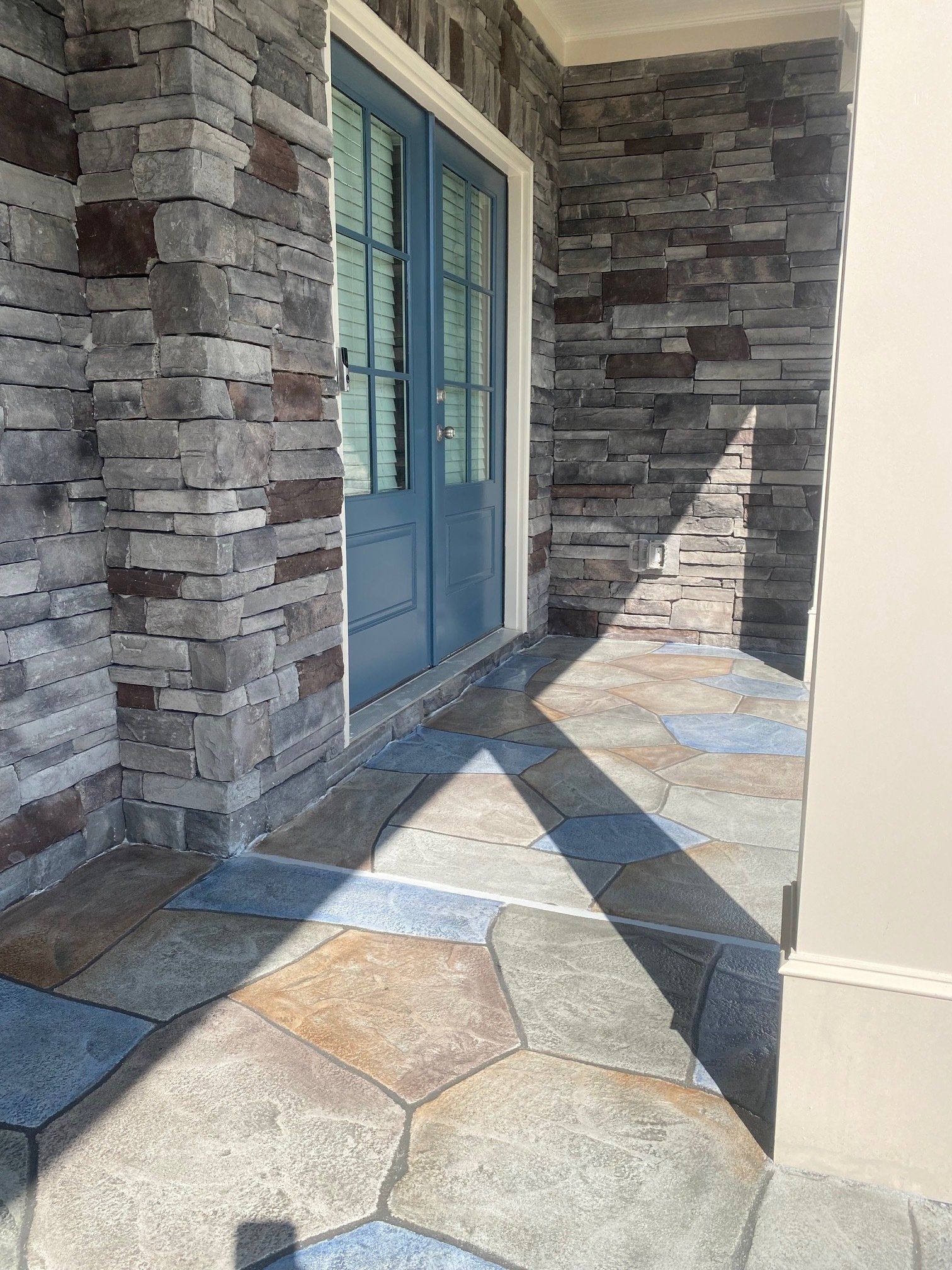
Creating an outdoor living space that reflects personal style and serves as a functional extension of the home can be a rewarding endeavor. The process not only enhances the aesthetic appeal of a property but also provides a unique environment for relaxation and entertainment. Designing such a space requires thoughtful planning, a clear understanding of individual preferences, and an awareness of the latest trends and materials that can withstand the elements. This article delves into various aspects of designing dream outdoor living spaces, offering insights into layout planning, material selection, and incorporating innovative designs.
Understanding Your Space and Needs
Before embarking on the design journey, it is crucial to understand the available space and specific needs. Begin by assessing the dimensions and shape of the area to maximize its potential. Consider whether the space will be used for:
- Entertainment and hosting gatherings
- Quiet relaxation and personal time
- Outdoor dining and culinary activities
- Gardening or as a children’s play area
Taking into account personal lifestyle and preferences will guide the design process effectively. Learn more in this detailed guide about evaluating outdoor spaces.
Design Concepts and Layout Planning
Choosing a Focal Point
Every outdoor space benefits from a focal point that draws attention and ties the design together. This could be a fireplace, a water feature, or a stunning piece of furniture. The focal point should align with the overall aesthetic and function of the space. Explore further insights here on creating harmonious outdoor designs.
Defining Zones
Dividing the space into distinct zones for different activities can enhance both functionality and visual appeal. Consider creating areas for:
- Dining and grilling
- Lounging and conversation
- Gardening and plant displays
By defining these zones, the space can be organized in a way that facilitates a natural flow and maximizes usability.
Material Selection
Choosing the right materials is fundamental to the longevity and visual appeal of an outdoor living space. Consider materials that are durable, weather-resistant, and complementary to the desired aesthetic:
- Wood: Offers a natural and warm feel but requires regular maintenance.
- Stone: Provides a timeless and durable option, ideal for patios and pathways.
- Composite materials: Low-maintenance and versatile, suitable for decking and furniture.
Read more about this topic to ensure the materials selected are suited to specific environmental conditions and personal preferences.
Incorporating Greenery and Nature
Adding plants and greenery can bring life and vibrancy to any outdoor space. Consider the local climate and choose plants that thrive in those conditions. Options include:
- Vertical gardens or living walls for limited spaces
- Potted plants for flexibility and ease of rearrangement
- Native plants for sustainability and low maintenance
Find additional information here on selecting and maintaining greenery in outdoor spaces.
Lighting and Accessories
Effective lighting transforms an outdoor space, enhancing safety and ambiance. Consider incorporating:
- String lights for a cozy and inviting atmosphere
- Solar-powered path lights for energy efficiency
- Accent lighting for highlighting architectural features or focal points
Accessories such as cushions, rugs, and outdoor art can add personality and comfort, making the space more inviting.
Designing an outdoor living space is an opportunity to create a personal oasis that reflects individual style and meets practical needs. By considering layout, materials, greenery, and lighting, it is possible to transform any outdoor area into a functional and beautiful extension of the home. Read more about this topic to ensure all aspects are thoughtfully integrated for a cohesive design.