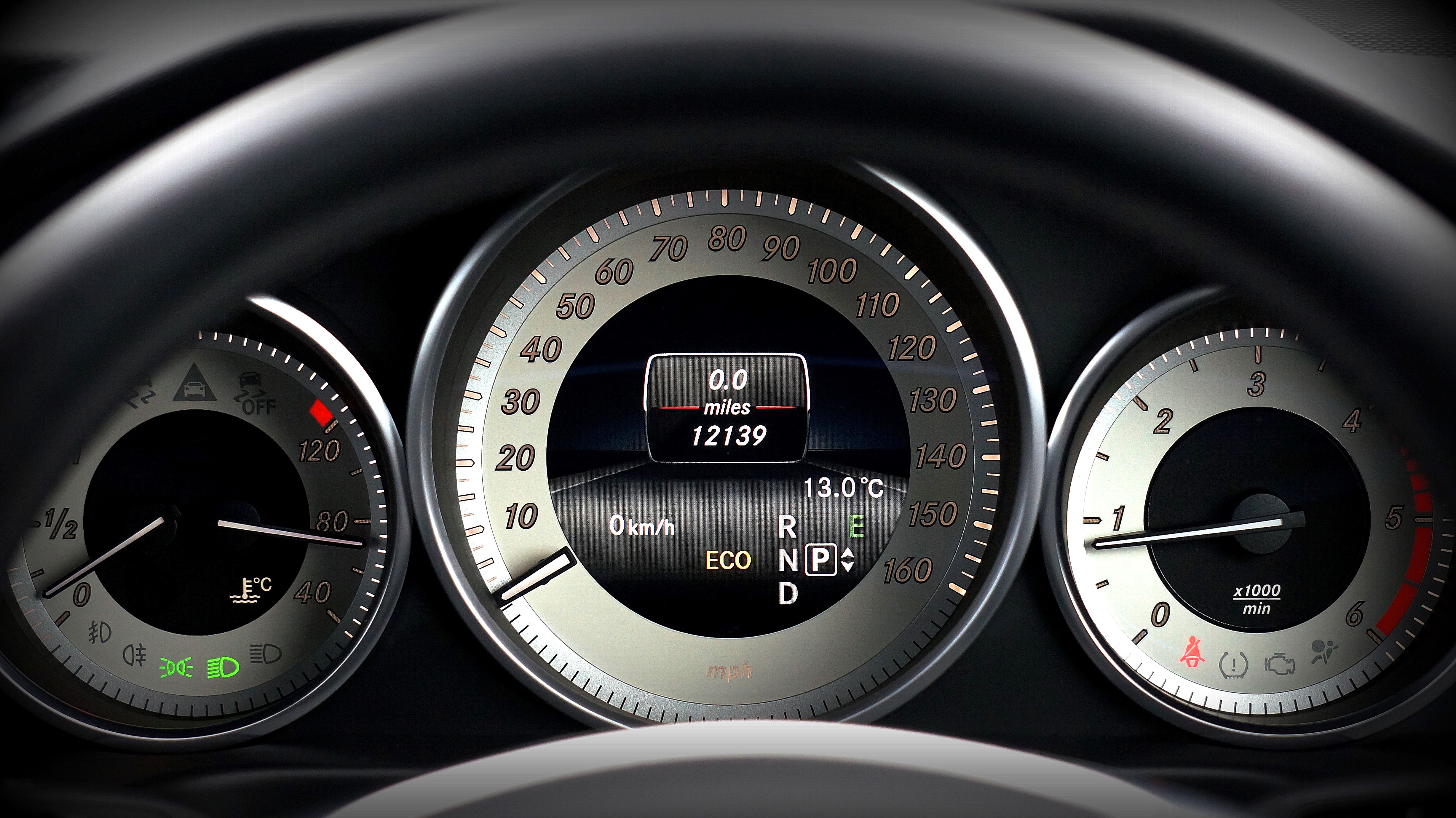
Accurate mileage documentation is crucial for businesses and individual professionals who frequently travel for work. It not only helps in maintaining financial records but also ensures compliance with tax regulations. A business mileage tracker is an efficient tool designed to simplify this process by automating tracking and logging of business miles. In addition to reducing human error, mileage trackers can significantly streamline tax filing and reimbursement processes. This article explores the benefits of using a mileage tracker, the features to look for, and the potential impact on business efficiency and compliance.
Benefits of Using a Mileage Tracker
Using a business mileage tracker can lead to numerous advantages for businesses and professionals. Here are some key benefits:
- Accurate Record-Keeping: Mileage trackers provide precise records of travel distances, reducing the likelihood of errors.
- Time Savings: Automating the tracking process saves time that would otherwise be spent manually logging distances.
- Tax Compliance: These tools help ensure adherence to IRS regulations by maintaining comprehensive records that can be easily accessed during tax audits.
- Cost Efficiency: With accurate mileage logs, businesses can claim appropriate deductions, potentially leading to significant cost savings.
For more insights into the benefits of using a mileage tracker, explore further insights here.
Key Features to Look For in a Mileage Tracker
When selecting a mileage tracker, it’s essential to consider certain features that ensure efficiency and usability. These features include:
- Automatic Tracking: The ability to automatically track trips using GPS technology ensures precision and reduces manual input.
- Integration Capabilities: Integration with other business tools, such as accounting software, can streamline the management of expenses and reimbursements.
- Customization Options: A good mileage tracker should allow for customization to fit unique business needs, such as categorizing trips or adding notes.
- Data Security: Ensure the tracker provides robust data protection features to safeguard sensitive travel information.
- User-Friendly Interface: A simple, intuitive interface enhances user experience and encourages regular use.
To learn more about these features, find additional information here.
The Impact on Business Efficiency and Compliance
Enhancing Operational Efficiency
Implementing a mileage tracker can significantly enhance a company’s operational efficiency. By automating the process, businesses can:
- Reduce administrative workload associated with manual logging and reporting.
- Optimize travel routes to save on fuel and time.
- Provide accurate data for financial forecasting and budgeting.
For more on how mileage trackers can improve efficiency, read more about this topic.
Ensuring Regulatory Compliance
Adhering to tax regulations is a critical aspect of business operations. Mileage trackers play a vital role in ensuring compliance by:
- Providing a reliable audit trail with detailed trip logs.
- Automatically calculating deductible expenses based on current tax rates.
- Facilitating easy access to reports and summaries for tax filing purposes.
To explore more about maintaining compliance, learn more in this detailed guide.
In conclusion, a business mileage tracker is an indispensable tool for professionals seeking to maintain precise mileage documentation. By leveraging technology, these tools enhance accuracy, save time, and ensure compliance with tax regulations. As businesses continue to evolve, integrating such efficient solutions can lead to improved operational efficiency and cost savings, ultimately contributing to a company’s success.