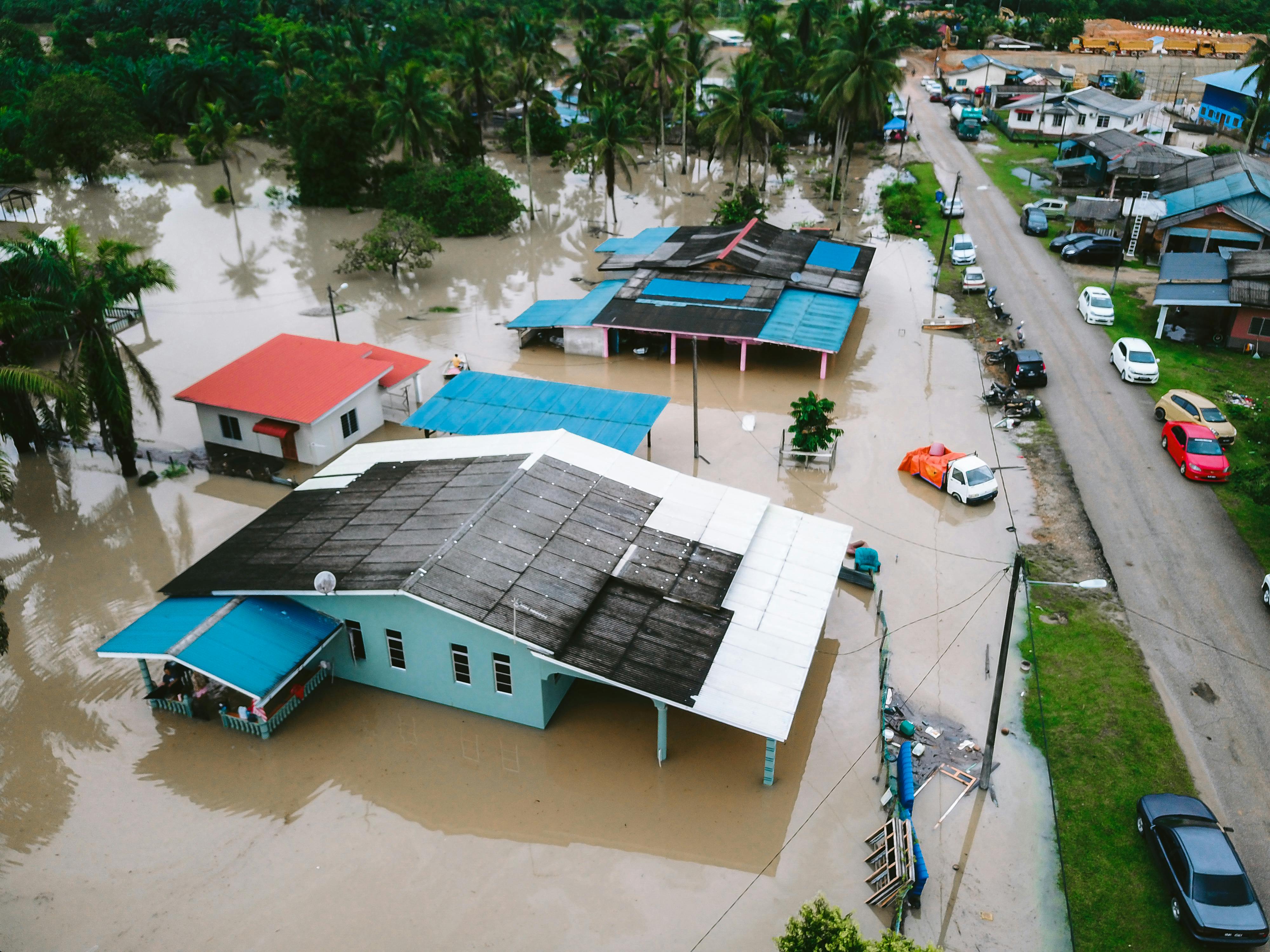
Flooding is a significant concern for many Texas residents due to the state’s diverse topography and weather patterns. Protecting one’s property with adequate flood insurance is crucial. Understanding the nuances of flood insurance quotes and policies can be complex, and it is essential to be well-informed to make sound financial decisions. This article delves into the intricacies of navigating flood insurance quotes in Texas, offering insights and guidance for homeowners and renters alike.
Understanding Flood Insurance in Texas
Given the state’s susceptibility to flooding, obtaining flood insurance in Texas is a wise decision for many property owners. Standard homeowners and renters insurance policies typically do not cover flood damage, necessitating a separate flood insurance policy.
Why Flood Insurance is Essential
- Texas experiences a variety of weather conditions, including hurricanes and heavy rains, which can lead to severe flooding.
- Flood damage can be financially devastating without the proper insurance coverage.
- Federal disaster assistance is not always available and is often insufficient to cover extensive flood damage.
Factors Influencing Flood Insurance Quotes
When seeking flood insurance quotes in Texas, several factors will influence the rates and coverage options available:
- Location: Proximity to bodies of water and the elevation of the property can significantly impact insurance costs.
- Flood Zone: Properties located in high-risk flood zones typically have higher premiums.
- Property Characteristics: The age, structure, and value of the home, as well as the number of floors, can affect pricing.
- Coverage Limits: The amount of coverage you choose for both the building and its contents will influence the premium.
How to Compare Flood Insurance Quotes
Comparing quotes from different flood insurance providers in Texas is essential to find a policy that meets your needs and budget. Here are some tips to consider:
Gather Multiple Quotes
- Request quotes from at least three different insurance providers to compare coverage options and premiums.
- Ensure all quotes are based on the same coverage limits and deductibles for a fair comparison.
Assess Coverage Options
- Understand what each policy covers. Some may include additional living expenses or offer higher limits for contents coverage.
- Check for any exclusions or limitations that may affect your decision.
Consider the Provider’s Reputation
- Research the insurance company’s reputation and customer service record.
- Look for reviews and ratings from other policyholders to gauge satisfaction and reliability.
Steps to Obtain Flood Insurance
Once you have gathered and compared quotes, the next step is to secure your flood insurance policy. Here’s how:
- Contact your chosen insurance provider to initiate the policy application process.
- Provide all necessary documentation and information about the property and desired coverage.
- Review the policy terms and conditions carefully before finalizing the purchase.
- Consider scheduling a start date for your policy that aligns with your needs and potential flood risks.
Conclusion
Navigating flood insurance in Texas requires careful consideration of various factors and diligent comparison of available options. By understanding the flood insurance market in Texas and evaluating quotes from multiple providers, property owners can secure the necessary protection for their assets. Ensuring comprehensive coverage not only safeguards against financial loss but also provides peace of mind in the face of unpredictable weather events.