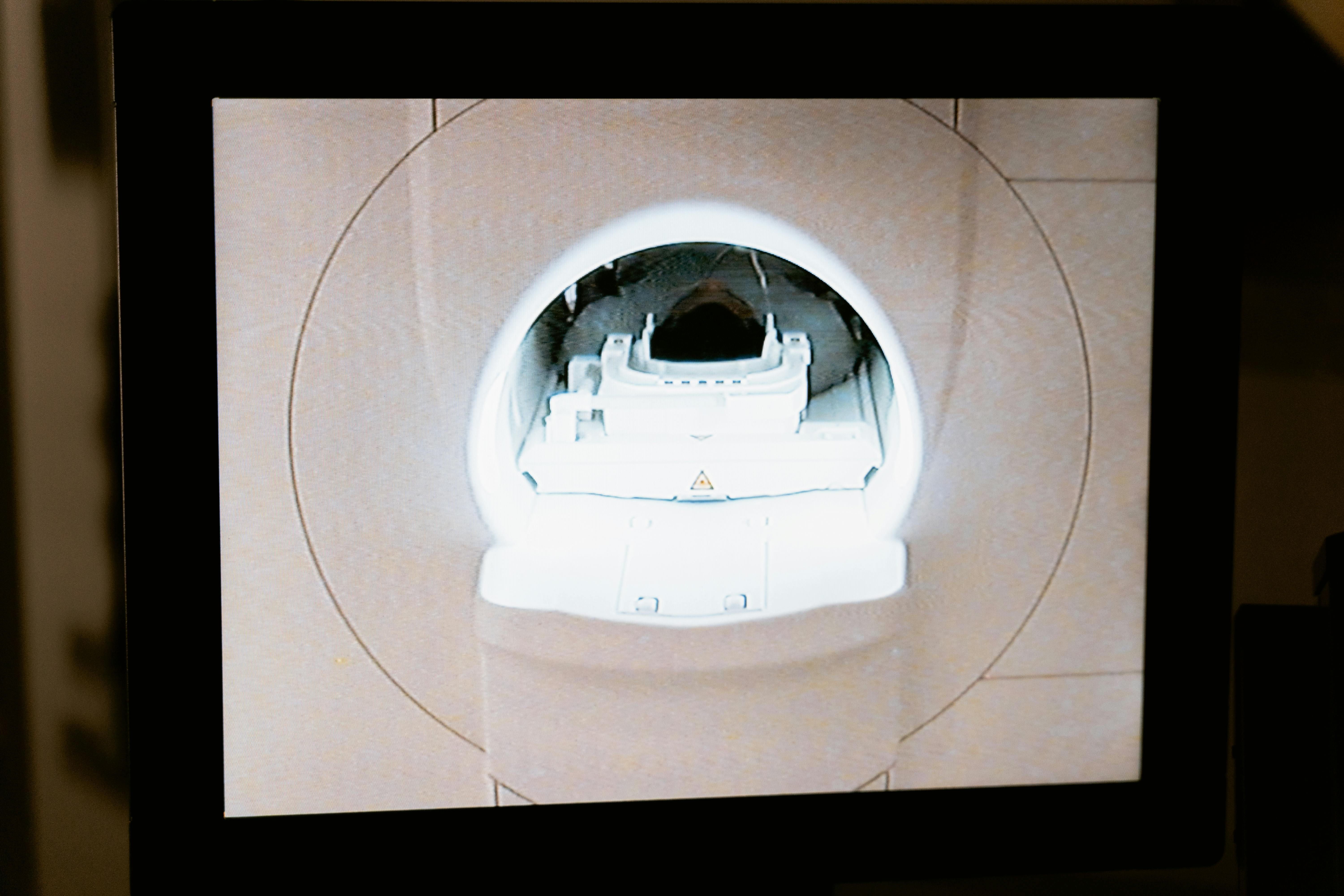
In the evolving landscape of healthcare, radiological imaging services have become a cornerstone for accurate diagnosis and effective treatment planning. These services encompass a range of techniques that allow healthcare professionals to peer inside the human body, providing critical insights into patient health. With advancements in technology, such imaging services have become more precise, offering unparalleled detail and aiding in the early detection of various conditions. This article explores the significance of these services and their impact on modern healthcare delivery.
The Role of Radiological Imaging in Healthcare
Radiological imaging plays a pivotal role in healthcare, providing non-invasive methods to diagnose and monitor medical conditions. These services are invaluable for:
- Identifying the presence and extent of diseases.
- Monitoring the progress of a diagnosed disease.
- Guiding certain treatment procedures.
- Evaluating the effectiveness of ongoing treatment.
Types of Radiological Imaging Services
X-rays
X-rays are one of the most commonly used imaging techniques that utilize electromagnetic waves to create images of the inside of the body, particularly useful for viewing bones and joints.
MRI
Magnetic Resonance Imaging (MRI) employs strong magnetic fields and radio waves to generate detailed images of organs and tissues, instrumental in diagnosing a variety of conditions.
CT Scans
Computed Tomography (CT) scans use X-rays to create cross-sectional images of the body, offering more detailed information than standard X-rays and allowing for the visualization of soft tissues.
Nuclear Medicine Scans
Nuclear medicine scans involve the use of small amounts of radioactive materials to diagnose and determine the severity of diseases. These scans are particularly useful for examining organ function and structure.
Benefits of Advanced Diagnostic Imaging
The benefits of advanced diagnostic imaging are numerous, contributing significantly to the quality of care in healthcare. These include:
- Enhanced accuracy in diagnosis.
- Minimally invasive procedures.
- Early detection of diseases, leading to better treatment outcomes.
- Reduction in the need for exploratory surgeries.
Choosing the Right Radiology Imaging Services
When selecting radiology imaging services, it is essential to consider factors such as the facility’s accreditation, the expertise of the radiologists, and the availability of advanced technologies. A reputable nuclear medicine clinic will offer a comprehensive range of imaging services backed by skilled professionals dedicated to patient care.
The Future of Radiological Imaging Services
The future of radiological imaging is promising, with ongoing advancements in technology poised to enhance the capabilities of these services further. Innovations such as artificial intelligence and machine learning are expected to revolutionize medical imaging services, leading to more precise diagnostics and personalized patient care.
In conclusion, radiological imaging services are indispensable tools in modern medicine, offering critical insights that drive effective healthcare delivery. As technology continues to advance, these services will undoubtedly play an even greater role in enhancing patient outcomes and shaping the future of healthcare.