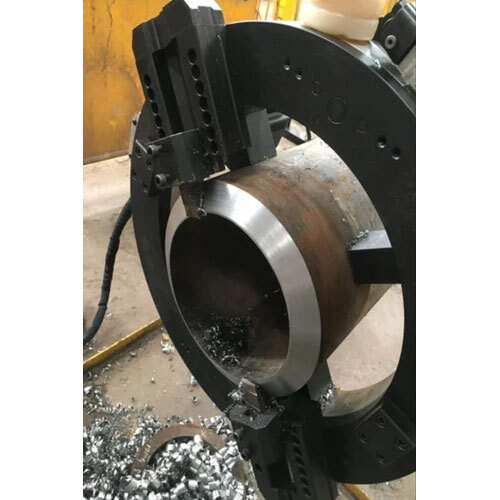
In the realm of industrial applications, the methodology employed to cut materials can significantly impact the quality, efficiency, and safety of operations. Cold cutting is an advanced technique that has gained prominence due to its versatility and effectiveness in various industrial contexts. Unlike traditional hot cutting methods, which involve heat, cold cutting eliminates the risks associated with thermal processes, offering a safer and more precise alternative. This article explores the benefits of cold cutting in industrial applications and highlights why this technique is increasingly favored by experts.
Enhanced Safety and Precision
One of the primary advantages of cold cutting is the enhanced safety it provides. Traditional cutting methods that use heat can pose significant risks, including fire hazards and the release of harmful fumes. Cold cutting, by contrast, utilizes mechanical processes that produce no heat, thereby reducing these risks. This method is particularly beneficial in environments where flammable materials are present or where maintaining a low-temperature operation is critical.
- Eliminates fire hazards due to the absence of heat.
- Reduces the emission of harmful gases and fumes.
- Minimizes the risk of thermal distortion and material degradation.
Moreover, cold cutting offers high precision, making it ideal for applications that require exact measurements and clean cuts. This precision is especially crucial in industries such as petrochemicals and pharmaceuticals, where the integrity of materials must be maintained. Discover expert strategies here to implement cold cutting safely and efficiently in diverse industrial settings.
Versatility in Application
Cold cutting is remarkably versatile, applicable across a wide range of materials and industries. Whether dealing with metals, plastics, or composites, cold cutting can be adapted to meet specific project needs. Its ability to perform in challenging environments makes it a valuable tool across various sectors.
- Applicable to different material types, including steel, aluminum, and composite materials.
- Suitable for use in underwater operations and in explosive environments.
- Effective for cutting pipes, beams, and other structural components.
For those looking to expand the capabilities of their industrial processes, learn about our tailored solutions that leverage the versatility of cold cutting to enhance operational efficiency and output quality.
Cost-Effectiveness and Environmental Benefits
Cold cutting not only enhances safety and precision but also contributes to cost savings over time. By reducing the risk of accidents and the need for extensive safety measures, businesses can lower operational costs. Additionally, the precision of cold cutting reduces material waste, further contributing to cost efficiency.
- Reduces energy consumption by eliminating the need for heating elements.
- Minimizes material waste through precise cutting techniques.
- Lowers maintenance and repair costs due to reduced thermal damage.
In an era where environmental sustainability is paramount, cold cutting presents an eco-friendly alternative by minimizing emissions and material waste. Explore advanced guides and tips to align industrial practices with environmental goals while maintaining efficiency and effectiveness.
Conclusion
Cold cutting stands out as a superior method in industrial applications due to its safety, precision, versatility, and cost-effectiveness. As industries continue to evolve, the demand for cutting techniques that offer both operational and environmental benefits becomes increasingly important. By embracing cold cutting, industries can not only enhance their operational capabilities but also contribute to a safer and more sustainable future. Find out more about this approach to understand how it can transform industrial practices and deliver significant advantages across various sectors.