Wasp nests can turn a peaceful backyard into a hazardous zone in minutes. While wasps play a vital role in ecosystems, their aggressive nature and painful stings make uncontrolled colonies a serious concern for homeowners and businesses alike. Removing a nest safely requires knowledge of wasp behavior, proper equipment, and adherence to local regulations. This article outlines the most reliable methods for wasp nest removal, highlights safety protocols, and explains why professional assistance often guarantees a trouble-free outcome.
Understanding Wasp Species and Their Nesting Habits
Different wasp species construct nests in distinct locations and use varying materials. Recognizing the type of wasp helps determine the most effective removal strategy.
- Paper Wasps – Build open, umbrella-shaped nests under eaves, decks, or in shrubs.
- Yellow Jackets – Prefer enclosed, paper-like nests in the ground, wall voids, or attics.
- Hornets – Create large, football-shaped nests high in trees or on building façades.
Why Professional Removal Is the Safest Choice
Attempting a DIY removal can lead to multiple stings, allergic reactions, or damage to property. Professionals bring several advantages:
- Accurate identification of species and nest stage.
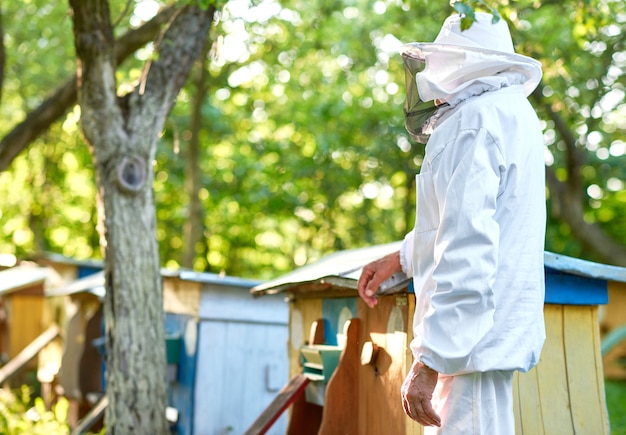
- Specialized protective gear that minimizes exposure.
- Approved chemicals and equipment designed for rapid eradication.
- Compliance with local wildlife protection laws.
For a deeper dive into the expertise required, Discover expert strategies here.
Step-by-Step Safe Removal Process
1. Assessment and Planning
The first visit involves a thorough inspection to locate the nest, evaluate its size, and identify potential hazards such as nearby electrical wiring or high-traffic areas.
2. Choosing the Correct Treatment
Based on the assessment, technicians select one of the following methods:
- Direct Spray Application – A fast-acting aerosol is applied at night when wasps are least active.
- Dust Infiltration – Fine insecticidal dust is introduced into ground nests, allowing it to spread as workers move.
- Physical Removal – For small, accessible nests, the entire structure may be carefully detached and sealed.
Each technique follows strict safety protocols to protect occupants and pets.
3. Execution During Low-Activity Hours
Most professionals work after dusk when wasps return to the nest and are less likely to attack. This timing reduces the number of stings and increases treatment effectiveness.
4. Post-Treatment Verification
After the initial application, a follow-up inspection confirms that the colony is dead and no new activity is observed. If residual activity is detected, a secondary treatment is applied.
Key Safety Measures for Homeowners
Even when a professional handles the removal, homeowners should follow basic precautions:
- Keep children and pets indoors during treatment.
- Seal all windows and doors to prevent wasps from entering the house.
- Avoid disturbing the nest before the scheduled removal.
- Wear protective clothing if a visual inspection is unavoidable.
Choosing the Right Service Provider
Selecting a qualified service involves more than just price comparison. Consider the following criteria:
- Licensing and certification for pesticide application.
- Positive customer reviews and documented success rates.
- Transparent pricing with a clear outline of included steps.
- Availability of emergency or same-day service for urgent nests.
To explore detailed guidelines on what to look for, Learn about our tailored solutions.
Maintenance Tips to Prevent Future Infestations
After a nest has been removed, implementing preventative measures can discourage wasps from rebuilding:
- Seal cracks, gaps, and entry points around eaves, siding, and foundations.
- Remove standing water and sugary food sources that attract foragers.
- Trim vegetation away from building surfaces to eliminate landing sites.
- Install mesh screens on vents and chimneys.
For a comprehensive guide on ongoing prevention, Explore advanced guides and tips.
Conclusion
Wasp nest removal demands a blend of scientific knowledge, specialized equipment, and strict safety protocols. While DIY attempts might seem economical, the risk of multiple stings, property damage, and incomplete eradication often outweighs any short-term savings. Engaging a certified professional ensures that the nest is eliminated efficiently, the surrounding environment remains protected, and peace of mind is restored. By following the outlined steps and maintaining a vigilant property, homeowners can enjoy outdoor spaces without the threat of aggressive wasp colonies.